
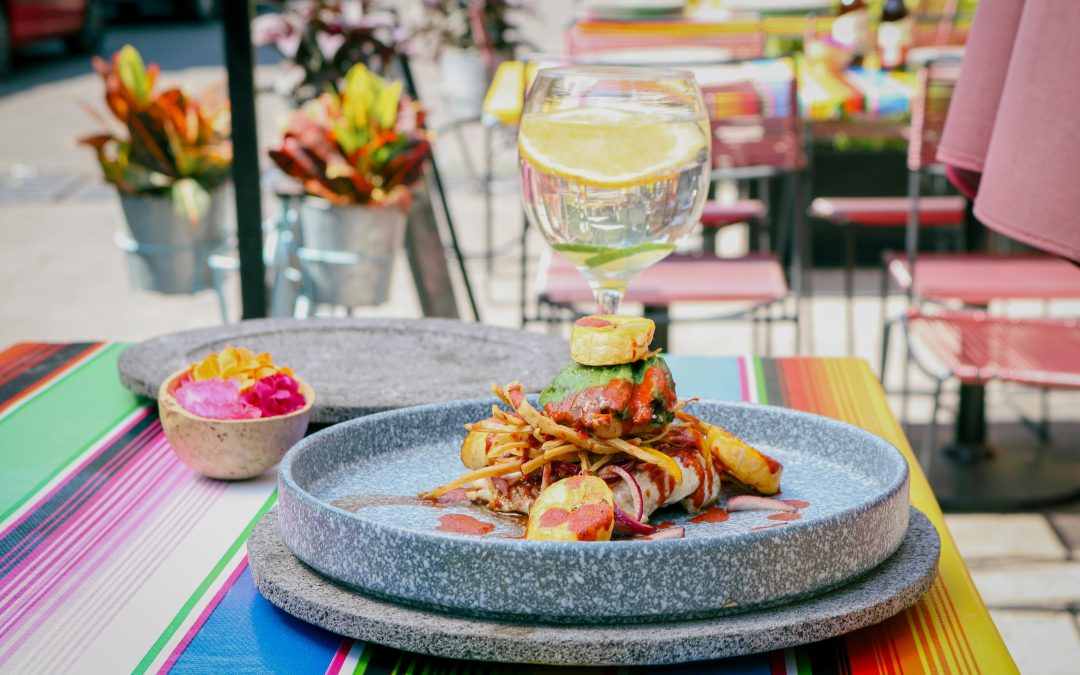
In a world filled with fast food and chain restaurants, traditional dining establishments stand out for one reason: authenticity. Patrons return to these restaurants not just for a meal, but for an experience that connects them with culture, history, and genuine flavors. Understanding how traditional restaurants maintain authentic dining experiences helps diners appreciate the care, technique, and dedication behind every dish.
Preserving culinary traditions
Traditional restaurants focus on recipes and techniques that have been passed down through generations. These recipes often use locally sourced ingredients and preparation methods that honor cultural roots. According to a 2022 survey by the National Restaurant Association, 68 percent of diners consider authenticity a key factor when choosing where to eat.
Preserving culinary traditions allows restaurants to offer a dining experience that feels genuine and unique.
Sourcing high-quality ingredients
Quality ingredients are at the heart of authentic dining. Traditional restaurants often work closely with local farmers, fishers, and artisans to ensure that every component of a dish meets exacting standards.
Key sourcing practices include:
- Using fresh, seasonal produce to enhance flavors
- Selecting heritage breeds or heirloom varieties for authenticity
- Partnering with local suppliers to support community agriculture
- Prioritizing ethically sourced proteins and seafood
Sourcing thoughtfully ensures that dishes taste true to their cultural origins.
Mastering preparation techniques
Maintaining authenticity goes beyond ingredients. Traditional restaurants emphasize proper cooking techniques, from slow-simmered sauces to hand-rolled pasta or hand-stretched dough.
Technique highlights include:
- Time-honored methods that enhance flavor
- Handcrafted elements to preserve texture and quality
- Training kitchen staff to execute recipes with precision
- Respecting cooking times and temperatures that bring out the best in each ingredient
Mastering these techniques ensures that each dish delivers an authentic culinary experience.
Creating a culturally immersive atmosphere
Authenticity is not just about taste; it’s also about ambiance. Traditional restaurants carefully design their interiors, music, and service style to reflect the culture behind the cuisine.
Atmosphere strategies include:
- Decor that represents the restaurant’s cultural heritage
- Music that complements the dining experience
- Table settings and dishware consistent with tradition
- Attentive, knowledgeable staff trained to educate diners
A culturally immersive environment enhances the overall authenticity of the dining experience.
Offering personalized service
Traditional restaurants often focus on personalized and attentive service. Staff members provide guidance on menu choices, explain traditional dishes, and share the stories behind recipes.
Service benefits include:
- Staff trained to provide detailed descriptions of dishes
- Recommendations for pairing food with beverages
- Sharing cultural context to enrich the meal
- Building rapport with regular patrons
Personalized service creates a connection between diners and the culinary tradition.
Balancing innovation and tradition
While authenticity is key, many traditional restaurants also incorporate subtle innovations. These adjustments respect tradition while appealing to modern tastes and dietary preferences.
Innovative approaches include:
- Adapting recipes to meet dietary restrictions without compromising flavor
- Introducing seasonal specials inspired by traditional dishes
- Updating presentation techniques to enhance visual appeal
- Experimenting with fusion elements while retaining core cultural elements
Balancing tradition with innovation keeps the restaurant relevant while preserving authenticity.
Celebrating local culture and community
Traditional restaurants often act as cultural ambassadors. They host events, cooking classes, or tasting nights to educate diners about their cuisine and traditions.
Community engagement includes:
- Participating in local food festivals
- Collaborating with local artisans for décor or ingredients
- Offering workshops on traditional cooking methods
- Highlighting local stories through menu descriptions and events
Celebrating local culture strengthens authenticity and builds a loyal customer base.
Maintaining consistency
Consistency is critical to authentic dining. Patrons expect the same quality, flavor, and atmosphere every visit. Traditional restaurants achieve this through rigorous standards, staff training, and quality control.
Consistency practices include:
- Standardized recipes with measured ingredients
- Ongoing training for kitchen and front-of-house staff
- Regular evaluation of supplier quality and ingredient freshness
- Attention to detail in every aspect of service and presentation
Consistency ensures that diners trust the restaurant to deliver an authentic experience each time.
Conclusion
Traditional restaurants maintain authentic dining experiences by combining time-honored recipes, quality ingredients, skilled preparation, immersive ambiance, and personalized service. They balance tradition with subtle innovation while celebrating local culture and maintaining consistent quality. Understanding how traditional restaurants maintain authentic dining experiences helps diners appreciate the artistry, dedication, and care that go into every meal, creating memorable experiences that extend beyond taste.