
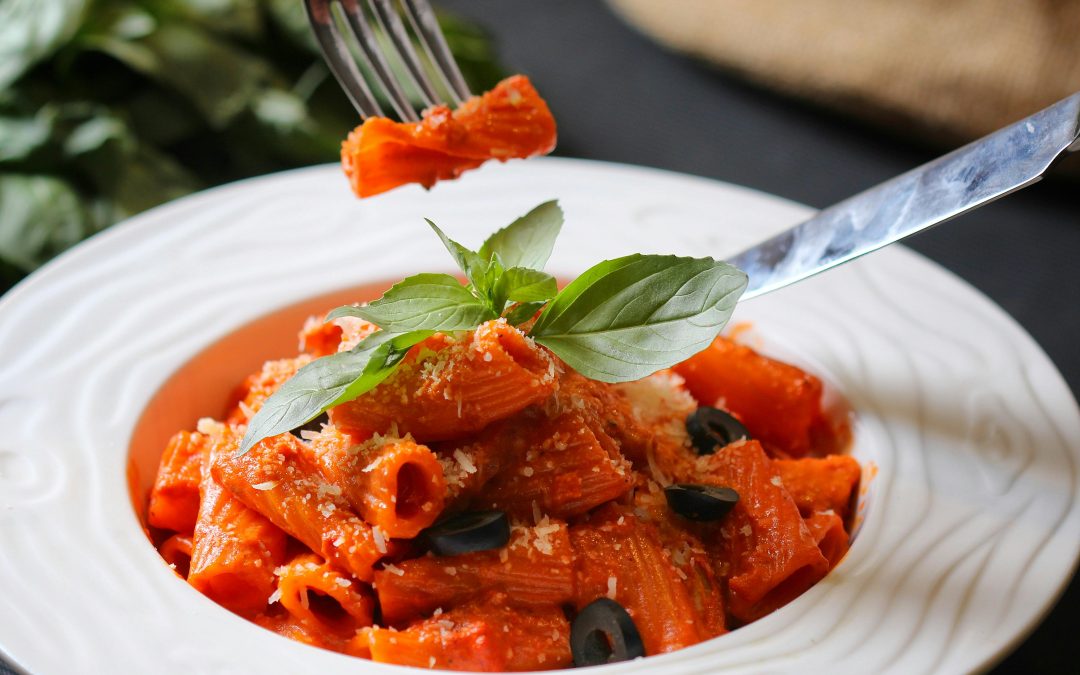
Nothing beats the comfort and flavor of freshly made pasta. Cooking pasta at home allows you to enjoy authentic Italian flavors, control ingredients, and experiment with sauces and toppings. With the right approach, even beginners can create restaurant-quality dishes. Following simple tips for making classic pasta at home can transform your kitchen into an Italian eatery and bring the taste of Italy straight to your table.
Choose the Right Ingredients
The foundation of classic pasta is high-quality ingredients. Using fresh, simple items ensures the best taste and texture.
Essential ingredients include:
- Flour: All-purpose flour works, but “00” flour is ideal for a silky texture
- Eggs: Fresh, large eggs make the dough richer and easier to handle
- Salt: Season both the dough and the boiling water for balanced flavor
According to the Culinary Institute of America, using fresh, quality ingredients is one of the most important factors in authentic Italian cooking.
Knead the Dough Properly
Kneading is a critical step in achieving the perfect pasta texture. Proper kneading develops gluten, giving pasta its elasticity and bite.
Tips for kneading:
- Mix flour and eggs to form a firm dough
- Knead for 8 to 10 minutes until smooth and elastic
- Wrap in plastic wrap and let it rest for at least 30 minutes before rolling
Resting allows the dough to hydrate fully, making it easier to roll and shape.
Roll and Shape with Care
Rolling pasta evenly ensures uniform cooking. You can use a rolling pin or a pasta machine for consistent thickness.
Techniques include:
- Divide dough into small portions for easier handling
- Dust surfaces lightly with flour to prevent sticking
- Cut into classic shapes like fettuccine, tagliatelle, or ravioli
Consistent thickness is key, as uneven pasta can result in overcooked or undercooked sections.
Cook Pasta Correctly
Cooking fresh pasta is quicker than dried pasta and requires attention. Overcooking can turn fresh pasta mushy.
Cooking tips:
- Boil water with plenty of salt for seasoning
- Cook for 2 to 4 minutes depending on thickness
- Taste-test frequently to achieve al dente texture
Draining properly and reserving a little pasta water helps blend sauces seamlessly.
Pair with Simple Sauces
Classic pasta shines with simple, flavorful sauces. Fresh pasta absorbs sauces better than store-bought varieties.
Popular pairings:
- Marinara: A simple tomato sauce with garlic, olive oil, and basil
- Cacio e Pepe: Parmesan cheese and black pepper for minimalistic elegance
- Alfredo: Butter, cream, and cheese for a rich, creamy option
Using fresh ingredients in sauces amplifies the flavor of homemade pasta.
Add Fresh Herbs and Toppings
Enhance your pasta with fresh herbs and toppings for vibrant flavor and texture.
Suggestions include:
- Fresh basil or parsley for color and aroma
- Grated Parmesan or Pecorino Romano cheese
- Toasted pine nuts or a drizzle of high-quality olive oil
These finishing touches elevate your pasta from simple to restaurant-worthy.
Experiment and Personalize
While classic pasta has traditional techniques, don’t be afraid to experiment. You can try whole wheat, spinach, or beet-infused pasta for added nutrition and color.
Experimentation tips:
- Incorporate seasonal vegetables into sauces
- Mix different flours for unique textures
- Try homemade fillings for ravioli or tortellini
Personalizing your pasta keeps meals exciting and allows creativity in the kitchen.
Final Takeaway
Making pasta at home is rewarding and delicious when you follow key tips. Choosing quality ingredients, kneading and resting the dough, rolling evenly, cooking properly, pairing with simple sauces, and adding fresh toppings ensures a classic Italian experience. Whether for a weeknight dinner or a special occasion, these tips for making classic pasta at home guarantee a flavorful and satisfying meal every time.